Colour
Hair Colour Ideas Without Bleaching for Dark Asian Hair
One of the most common frustrations Malaysian clients bring to the salon chair is this: "I want colour, but I don't want to bleach my hair." It's a…
Premium Old Skool Salon28 September 20266 min read
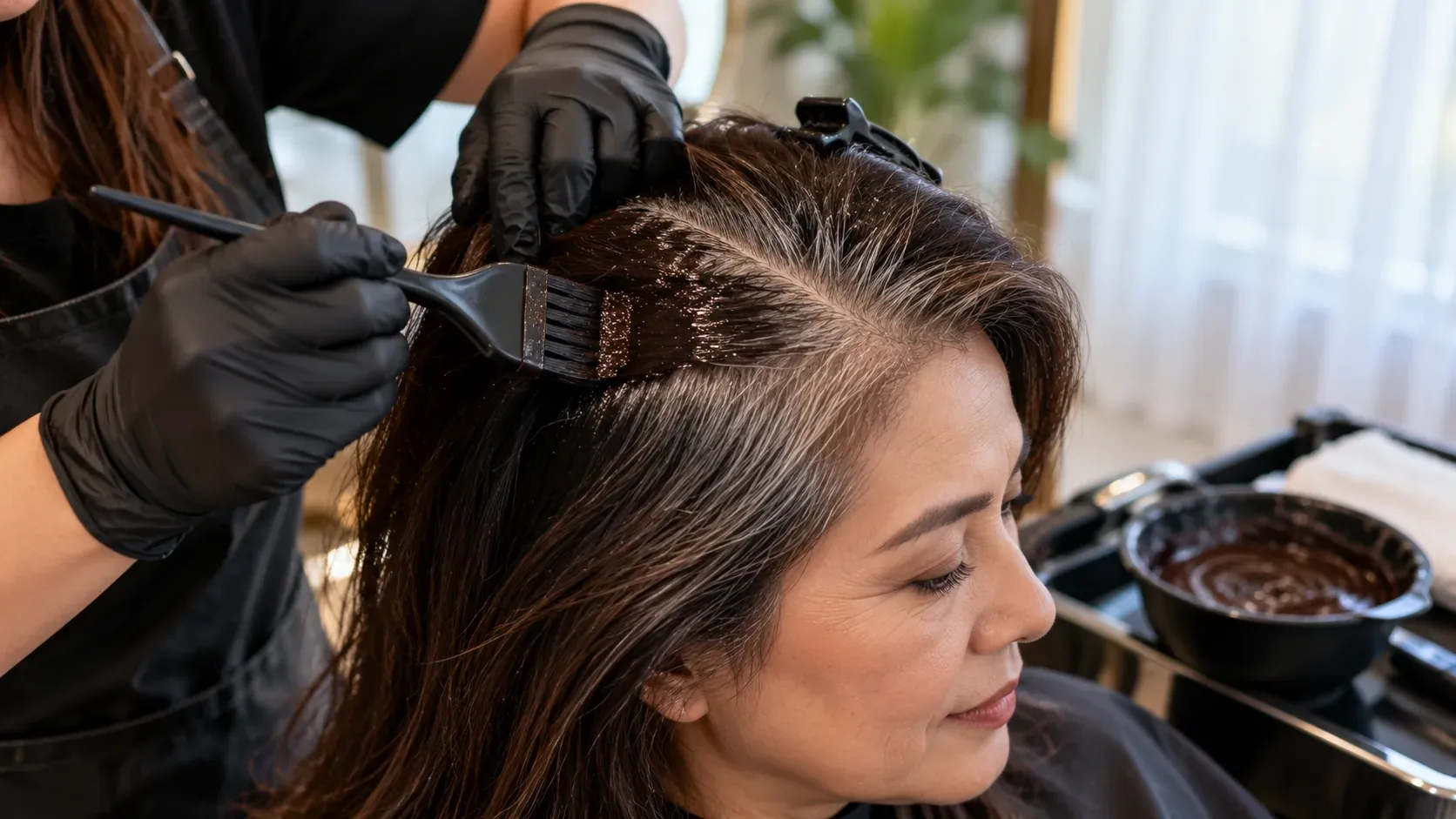
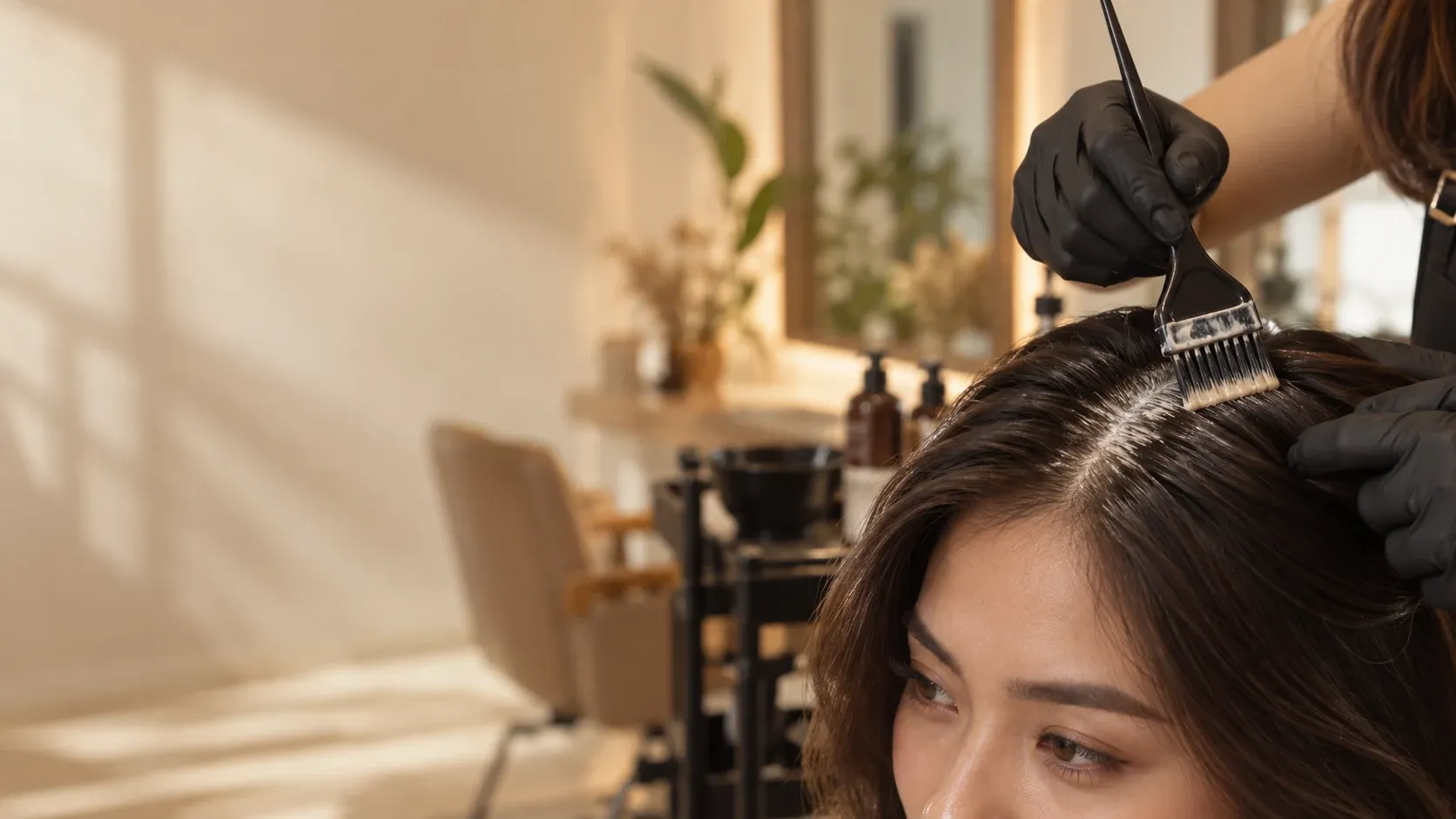
One of the most common frustrations Malaysian clients bring to the salon chair is this: "I want colour, but I don't want to bleach my hair." It's a reasonable concern. Bleaching lifts the natural pigment out of dark Asian hair, which is typically high in melanin density, and that process can leave hair dry, brittle and prone to breakage if not managed carefully, especially in our humid climate where hair is already working harder to stay moisturised.
The good news is that bleaching isn't the only route to a colour change. There's a real range of options that work with your natural dark base rather than stripping it first. Here's what's actually achievable, and what to expect from each.
Why Dark Asian Hair Behaves Differently With Colour
Most Malaysian hair, whether Malay, Chinese or Indian, tends to have a naturally dark base level, often level 2 to 4 on the standard hair colour chart (with 1 being black and 10 being lightest blonde). Hair colour dyes work by depositing colour molecules, and lighter, more vivid tones typically require lifting the natural pigment first, which is where bleach comes in.
Without bleaching, colour can only go as light or as bright as the underlying pigment allows. This doesn't mean your options are limited to boring, though. It means choosing tones and techniques designed to work with dark hair, not against it.
Option 1: Semi-Permanent and Direct Dyes
Semi-permanent colours deposit pigment onto the hair surface without lifting the natural colour underneath. They don't contain ammonia or use peroxide to open the hair cuticle significantly, which makes them gentler.
Best for: Subtle tonal shifts, glossy colour refreshes, low commitment colour experiments
| Pros | Cons |
|---|---|
| Minimal to no damage | Colour fades faster, typically 4 to 8 washes |
| Can be layered over natural dark hair for shine and dimension | Limited to darker, more muted tones without pre-lightening |
| Good for testing a colour before committing | May not show up clearly against very dark bases |
Option 2: Permanent Colour Without Lightener (Deposit-Only)
Many permanent hair colour lines offer deposit-only formulas or low-volume developer options that add colour and tone without significantly lifting the base. These work well for:
- Rich brunettes and chocolate tones that add warmth or coolness to black hair
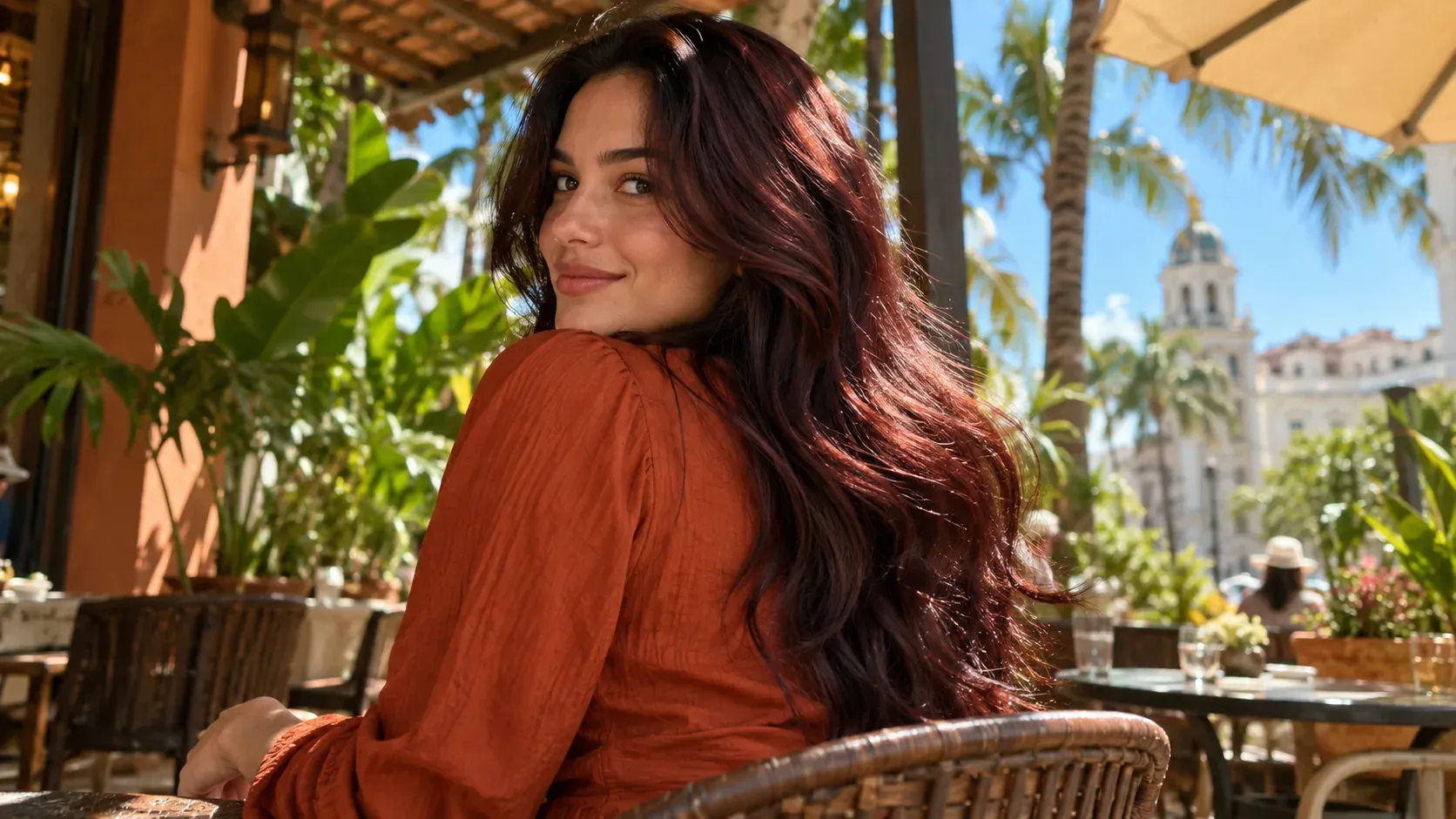
- Burgundy, wine and plum tones, which show up beautifully as a tint over dark hair, especially visible in direct sunlight
- Dark auburn and copper-brown shades, which give a noticeable shift without requiring lightening
These colours won't turn black hair into a bright copper or vivid red, but they add depth, warmth or richness that's visible up close and in the sun, while looking naturally dark indoors.
Option 3: Balayage or Highlights Using Low-Lift Techniques
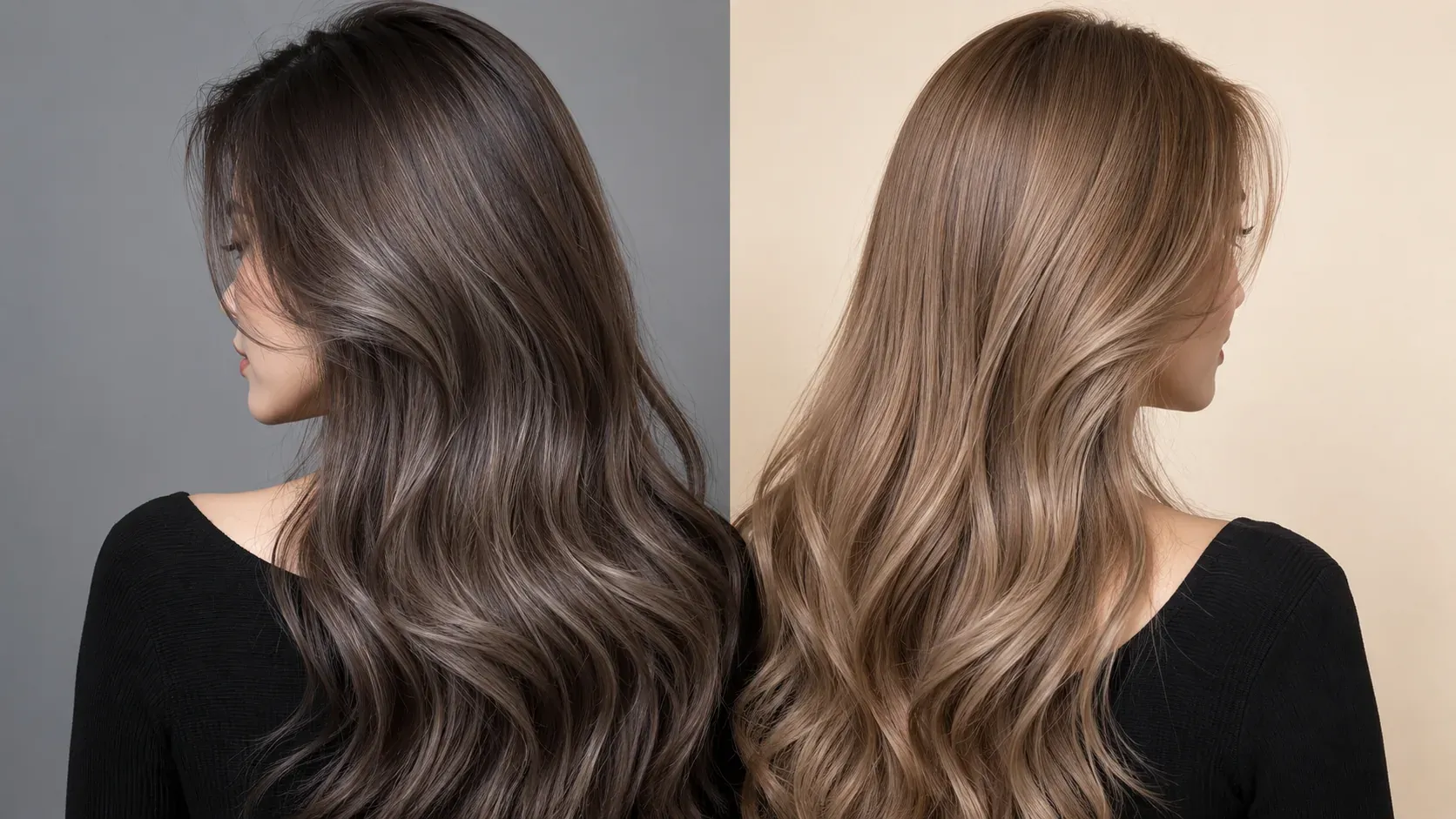
Full bleaching isn't the only way to add dimension. Colourists can use low-volume developer techniques or balayage with minimal lift to create soft, natural-looking highlights that stay closer to your natural colour family, rather than going platinum or blonde.
What this looks like in practice:
- Soft caramel or toffee-toned pieces woven through dark brown hair
- Face-framing money-piece highlights in a warm brown rather than blonde
- Subtle root-to-tip gradient using tones just a few levels lighter than your base
This approach still involves some lightening, but far less aggressive than full bleach-and-tone processes, meaning less damage and a shorter, more manageable maintenance cycle.
Option 4: Colour Glossing and Toning Treatments
Glossing treatments add shine and subtle tonal correction without altering your base colour significantly. If your dark hair looks slightly brassy, dull or uneven due to sun exposure and humidity, a gloss can:
- Even out tone
- Add noticeable shine and reflect light better
- Subtly warm or cool the existing colour
This is less a "colour change" and more a colour enhancement, ideal for people who want their natural colour to simply look healthier and more vibrant.
Comparing the Non-Bleach Options
| Method | Colour Range Achievable | Damage Level | Typical Longevity | Best For |
|---|---|---|---|---|
| Semi-permanent dye | Muted, darker tones only | Minimal | 4 to 8 washes | Testing colour, low commitment |
| Deposit-only permanent | Richer browns, burgundy, auburn | Low to moderate | 6 to 10 weeks before root/tone fade | Noticeable but natural-looking change |
| Low-lift balayage/highlights | Soft caramel to light brown dimension | Moderate | 3 to 6 months with touch-ups | Adding dimension without full bleach |
| Gloss/toning treatment | Enhances existing tone, minor shift | Very low | 4 to 6 weeks | Shine, brassiness correction |
What You Won't Be Able to Achieve Without Bleach
It's worth setting realistic expectations upfront. Without lightening, the following are generally not achievable directly on dark Asian hair in a single session:
- Platinum blonde, pastel or vivid fashion colours (pink, blue, silver)
- Significant lift from black to light brown or blonde in one visit
- Bright, saturated copper or red tones that read clearly against black hair
If these are your goal, a consultation about a gradual, multi-session lightening plan (which protects hair health better than one aggressive bleach session) would be the realistic path, separate from the no-bleach options above.
Choosing a Shade That Works With Malaysian Skin Undertones
Colour that flatters depends not just on technique but on your skin's undertone. As a general guide:
- Warm undertones (golden, peachy) tend to suit chocolate brown, chestnut, copper-brown and warm auburn tones
- Cool undertones (pink, rosy) often suit cooler-toned browns, plum, wine and ash-adjacent shades achievable through deposit-only colour
- Neutral undertones have more flexibility across both warm and cool families
A stylist can assess this in person far more accurately than a filter or reference photo, since lighting and camera settings frequently distort how colour actually looks in daylight.
Aftercare for Non-Bleached Colour
Even without bleach, coloured hair benefits from proper care to keep tone and shine looking fresh, especially in Malaysia's humid, sun-heavy climate:
- Use colour-safe, sulphate-free shampoo to slow fading
- Wash with cooler water where possible, since heat accelerates colour fade
- Apply UV-protectant spray before sun exposure, as UV rays fade colour faster than most people realise
- Space out washes using dry shampoo between, since frequent washing strips colour molecules faster
- Book a gloss refresh every 4 to 6 weeks if you want tone to stay vibrant
Frequently Asked Questions
Can I get a noticeable colour change without any bleach at all?
Yes, particularly with rich brunette, burgundy or auburn deposit-only colours, which create a visible shift, especially in sunlight, while keeping the hair looking naturally dark indoors.
Will semi-permanent colour show up on very dark, virgin black hair?
It can, but the effect will be subtler than on lighter bases. Darker semi-permanent tones like deep burgundy or blue-black tend to show up most clearly.
Is deposit-only colour less damaging than regular permanent colour?
Generally yes, since it typically uses lower-volume developer and doesn't aim to lift the natural pigment significantly, though it's still a chemical process and proper aftercare matters.
How long before I need a touch-up?
Deposit-only colour usually needs refreshing every 6 to 10 weeks as new growth appears and colour gradually fades with washing.
Final Thoughts
Bleaching isn't a requirement for a meaningful colour change on dark Asian hair. Between deposit-only permanent colour, low-lift highlights, glossing treatments and semi-permanent dyes, there's a realistic path to richer, warmer or subtly dimensional hair without the damage and high maintenance that comes with lightening. A proper in-salon consultation, ideally with a strand test if you're unsure how colour will take, is the best way to find a shade that suits both your hair's starting point and your skin's undertone.