Treatments
How to Make Hair Rebonding Last Past Six Months
Rebonding is one of the most requested chemical hair services in Malaysian salons, and it's easy to see why. For anyone tired of fighting frizz…
Premium Old Skool Salon29 September 20267 min read
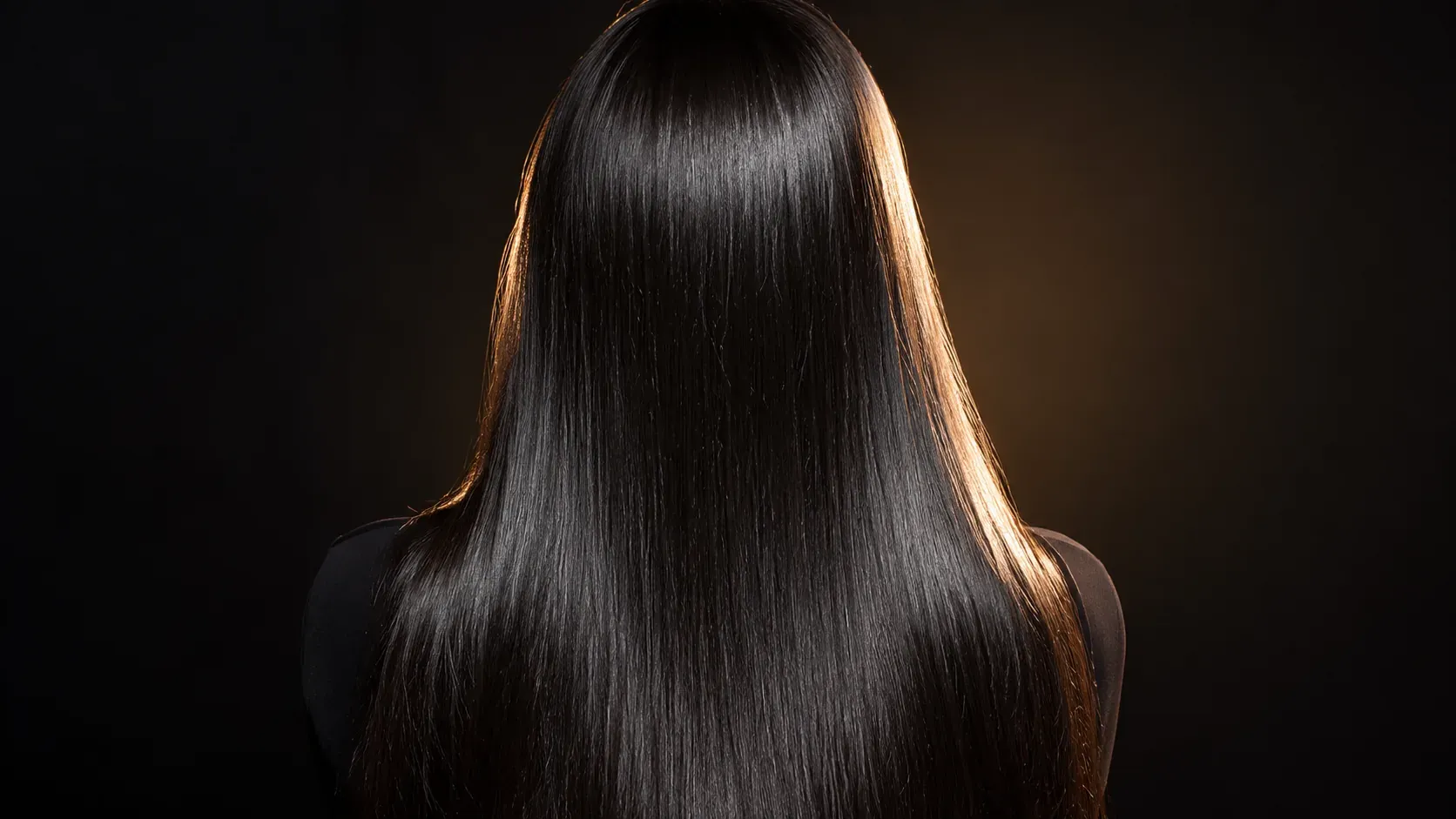
Rebonding is one of the most requested chemical hair services in Malaysian salons, and it's easy to see why. For anyone tired of fighting frizz, waves or thick, unruly hair every morning in our humid climate, pin-straight, glassy hair that survives a motorcycle ride or an afternoon downpour feels like a small miracle. The catch is that rebonded hair doesn't stay perfect forever, and many people find their results start looking uneven or frizzy well before the six-month mark.
The good news is that with the right aftercare, you can genuinely extend how long your rebonding looks salon-fresh. Here's what actually affects longevity, and what you can do about it.
What Happens to Hair During Rebonding
Rebonding permanently restructures the internal bonds of your hair using a relaxing cream, followed by flat-iron heat to reshape the hair straight, and then a neutraliser to lock the new structure in place. Unlike a keratin treatment, which coats and smooths the hair temporarily, rebonding is a chemical change that does not reverse itself and does not grow out — new hair grows in its natural texture, which is why the "regrowth line" becomes visible over time.
This means the real question isn't "does rebonding wear off" so much as "how do I keep the rebonded lengths looking healthy and how do I manage new growth gracefully."
The Main Factors That Determine How Long It Looks Good
| Factor | Why It Matters |
|---|---|
| Hair growth rate | Faster growth means a visible root line sooner, regardless of how well you care for the rebonded lengths |
| Humidity exposure | Malaysia's climate encourages frizz and can affect the smoothness of the surface over time |
| Washing habits | Harsh shampoos and hot water strip the hair's protective layer faster |
| Heat styling frequency | Repeated heat use after rebonding adds cumulative stress to already-processed hair |
| Product buildup | Silicone-heavy products can weigh hair down and dull shine over weeks |
| Salon technique and product quality | A well-executed rebond with quality products tends to hold smoother for longer |
Step 1: Get the First Wash Right
Most salons recommend avoiding washing for at least 48 to 72 hours after rebonding to let the new bonds fully settle. Washing too early, or tying hair up, clipping it, or tucking it behind your ears before this window, can create kinks or bends that become semi-permanent.
- Do not tie your hair, use hair clips, or wear tight caps for at least 2 to 3 days
- Sleep with hair loose and flat, ideally on a silk or satin pillowcase to reduce friction
- Avoid rain or swimming during this initial setting period
Step 2: Choose the Right Shampoo and Conditioner
Sulphate shampoos strip natural oils and can dry out rebonded hair faster, making it prone to frizz and split ends. Look for:
- Sulphate-free, moisture-rich shampoos designed for chemically treated hair
- Deep conditioners with keratin or amino acids to reinforce the hair shaft
- Leave-in conditioner for the lengths, avoiding the roots to prevent buildup that flattens volume
Wash with lukewarm rather than hot water. Hot water opens the hair cuticle more aggressively, which both dulls shine and makes hair more porous, meaning it absorbs Malaysia's humidity faster and frizzes sooner.
Step 3: Protect Against Humidity Daily
This is the step most people skip, and it's arguably the most important one in our climate.
- Apply a light anti-frizz serum or hair oil to the mid-lengths and ends before leaving the house
- Carry a small travel-size serum if you commute by motorcycle or spend a lot of time outdoors
- Avoid letting hair air-dry naturally after getting caught in rain; blot gently with a microfibre towel and reapply serum once dry
- Consider a lightweight UV-protectant spray, since sun exposure also degrades hair protein structure over time and Malaysia's UV index is high year-round
Step 4: Reduce Heat Styling Where Possible
Rebonded hair is already processed hair. Adding daily flat-ironing or curling on top increases cumulative damage and shortens how long the surface stays smooth and glossy.
- If you need to touch up frizz, use the lowest effective heat setting
- Always apply a heat protectant before any styling tool
- Reserve heavier heat styling for special occasions rather than daily use
Step 5: Schedule a Treatment Between Rebonds
A single rebonding session doesn't need constant re-treatment, but adding a nourishing treatment partway through the growth cycle helps maintain shine and manageability.
- Protein treatments help reinforce hair strength, especially useful around the 2 to 3 month mark
- Moisture masks combat the dryness that tropical air and air-conditioning both contribute to
- Scalp treatments are worth considering too, since a healthy scalp supports healthier new growth at the roots, which matters more as regrowth becomes visible
Step 6: Manage the Regrowth Line Strategically
No amount of aftercare prevents new hair from growing in its natural texture. What you can control is how you manage that transition:
| Regrowth Stage | What to Do |
|---|---|
| 1 to 2 months | Usually minimal visible difference; maintain routine care |
| 3 to 4 months | Root texture becomes noticeable, especially in humid weather; consider root-only touch-up rebonding if desired |
| 5 to 6 months | Clear demarcation line; either book a root touch-up or plan a gradual trim-out if you're growing out the treatment |
| Beyond 6 months | A full re-rebond on new growth only (not the already-treated lengths) is typically recommended to avoid over-processing |
Ask your stylist specifically for a root-only touch-up rather than a full rebond if your lengths are still in good condition. Reapplying rebonding chemicals to hair that's already been treated increases the risk of over-processing, breakage and excessive dryness.
Common Mistakes That Shorten Rebonding Results
- Washing hair within the first 48 hours - undoes the setting process
- Using strong clarifying shampoos too often - strips moisture and smoothness
- Skipping heat protectant before styling tools
- Ignoring the scalp while focusing only on lengths
- Overdue touch-ups, applying rebonding chemicals over already-treated hair
- Tying hair up immediately in humid or rainy weather, creating unwanted bends
- Not adjusting products for Malaysia's climate, using routines designed for drier countries
Signs You Need a Trim, Not Just a Touch-Up
If ends look thin, frayed or you notice more breakage than usual despite good aftercare, a trim may matter more than another chemical treatment. Rebonded ends that have been through months of humidity, heat styling and washing naturally weaken over time, and trimming split ends prevents further splitting up the hair shaft.
When to See Your Stylist for a Reassessment
Book a consultation rather than DIY-managing your hair if you notice:
- Uneven texture between roots and lengths that styling products can't smooth
- Hair feeling unusually brittle or elastic when wet
- Noticeable thinning or excessive shedding
- Colour looking dull if you've also coloured your hair
Frequently Asked Questions
How often should I touch up my rebonding?
Most people need a root touch-up every 4 to 6 months, depending on hair growth rate, rather than a full re-rebond.
Can I colour my hair after rebonding?
Yes, but timing matters. Most stylists recommend waiting several weeks between rebonding and colouring to avoid over-processing, and a consultation helps assess your hair's condition first.
Why does my rebonded hair go frizzy faster than my friend's?
Differences in hair porosity, home care routine, humidity exposure and the original rebonding technique used can all affect how long results last.
Is it normal for rebonded hair to feel different from before?
Some change in texture and thickness is expected since the internal hair structure has been chemically altered. Proper conditioning helps maintain softness.
Final Thoughts
Getting rebounded to last well past six months isn't about luck. It comes down to protecting the hair from Malaysia's humidity, being gentle with washing and heat, feeding it moisture and protein between salon visits, and managing regrowth with root-only touch-ups instead of repeated full treatments. With consistent care, sleek, straight hair is absolutely achievable well beyond the typical timeline most people expect.