Treatments
When a Salon Hair Treatment Is Better Than a Hair Mask
Walk down any pharmacy aisle in Malaysia and you'll find rows of hair masks promising salon-level results at home for a fraction of the price. And to…
Premium Old Skool Salon2 October 20267 min read
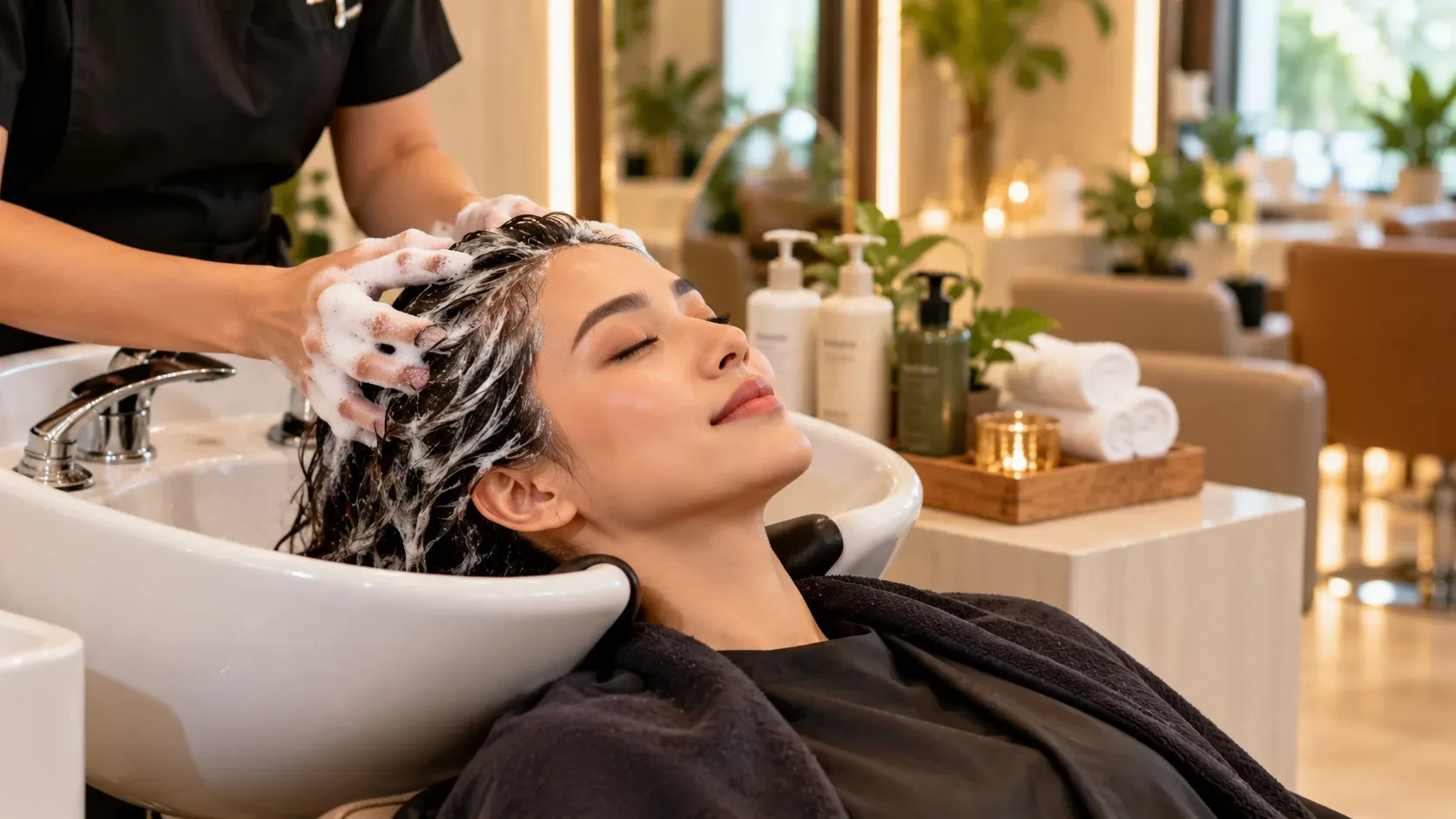
Walk down any pharmacy aisle in Malaysia and you'll find rows of hair masks promising salon-level results at home for a fraction of the price. And to be fair, a good weekly hair mask genuinely does help with everyday dryness and dullness. So why do people still book salon hair treatments if a mask can be done at home for RM 20 to RM 50?
The honest answer is that hair masks and salon treatments aren't actually solving the same problem, even though they're marketed as if they are. This guide breaks down what each one can and can't do, and when it's worth paying for the salon version instead of reaching for the tub in your bathroom.
What a Hair Mask Actually Does
Most drugstore and even higher-end retail hair masks work primarily on the surface and mid-layers of the hair shaft. They typically contain:
- Conditioning agents like silicones or fatty alcohols that smooth the hair's outer layer
- Humectants such as glycerin that draw moisture into the hair temporarily
- Light proteins or botanical extracts that coat the hair surface
What this achieves: softer texture, reduced frizz, easier detangling, and a temporary boost in shine, generally lasting until the next wash or two.
What it doesn't achieve: meaningful repair to hair that's structurally damaged, deep penetration into the hair cortex, or correction of chemical damage from bleaching, rebonding or repeated heat styling.
What a Salon Hair Treatment Actually Does
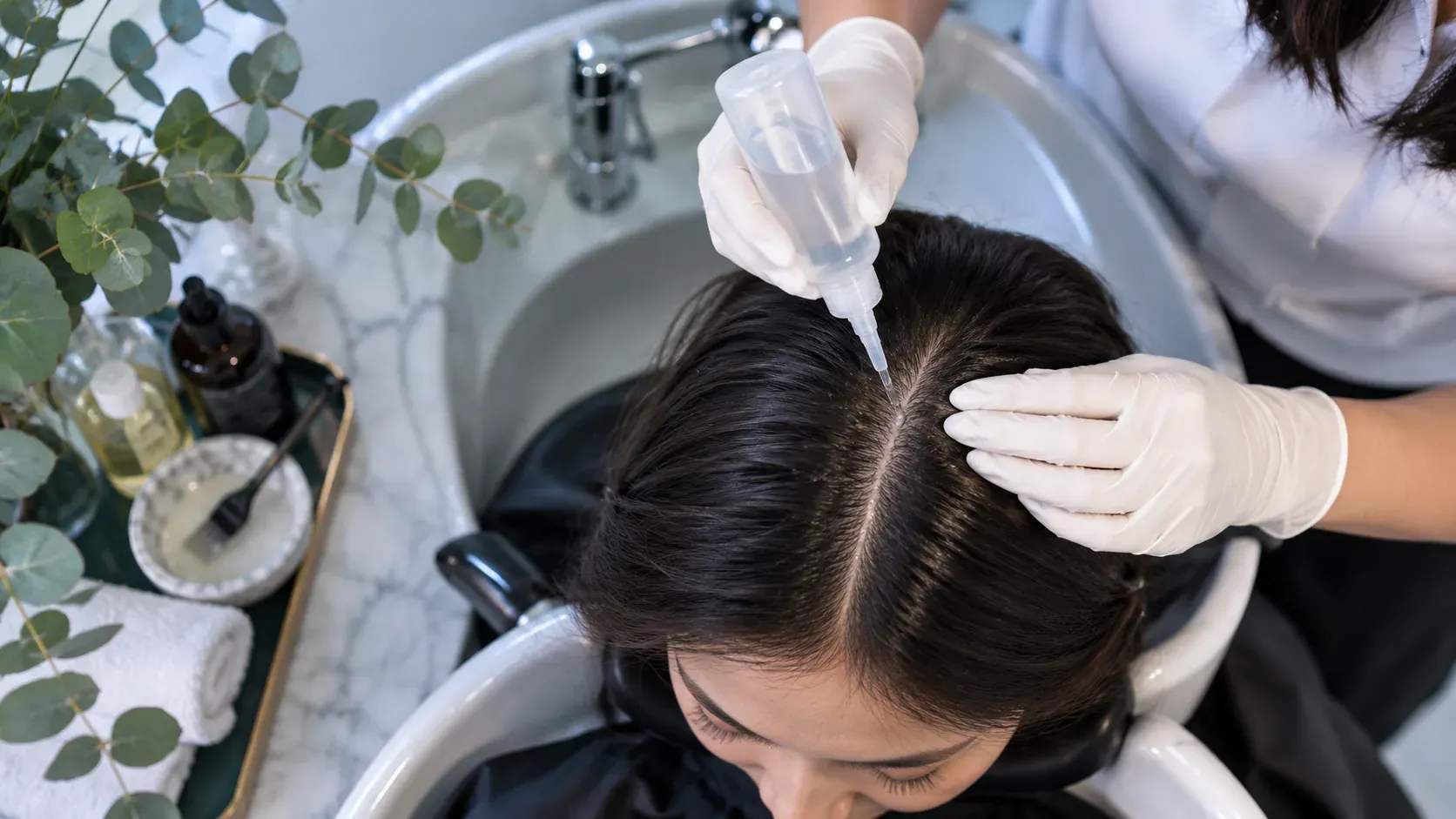
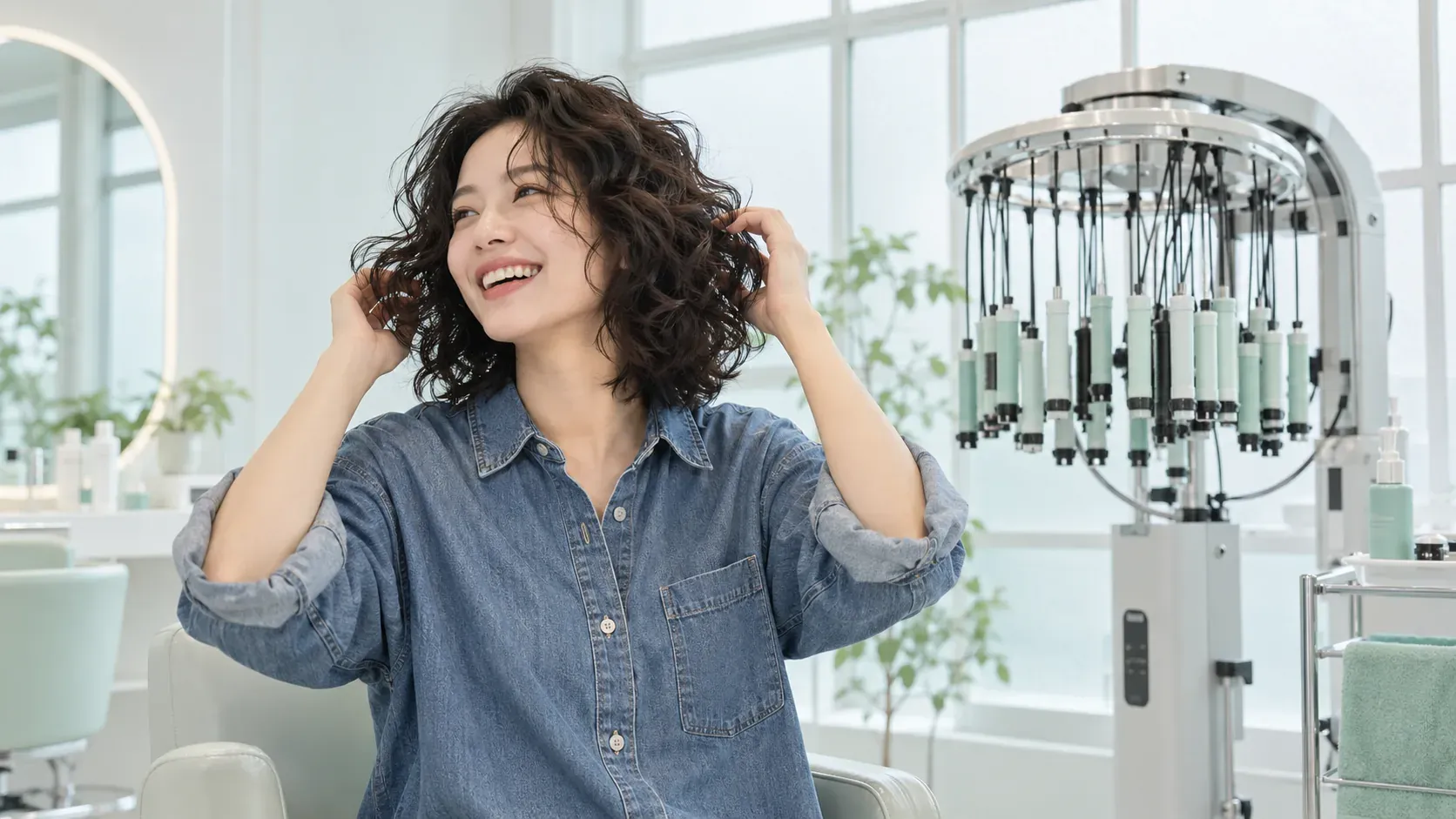
Salon treatments are formulated and applied differently, often using professional-strength ingredients, heat or steam to aid penetration, and techniques not easily replicated at home.
| Element | Hair Mask (At Home) | Salon Treatment |
|---|---|---|
| Ingredient concentration | Lower, formulated for general safety across all hair types | Higher, professional-grade concentrations |
| Penetration depth | Mostly surface and mid-shaft | Can penetrate deeper into the cortex, especially with heat-assisted treatments |
| Application method | Self-applied, no heat assistance typically | Often paired with steaming, heat caps, or specialised tools for better absorption |
| Customisation | One-size-fits-all formula | Assessed and adjusted to your specific hair condition |
| Techniques used | Simple application and rinse | May include bond-building treatments, scalp-focused steps, or targeted protein/moisture balancing |
| Best for | General maintenance, mild dryness, frizz control | Chemically damaged, over-processed, or structurally weakened hair |
When a Hair Mask Is Genuinely Enough
Not every hair concern needs a salon visit. A weekly hair mask is often perfectly sufficient if:
- Your hair is generally healthy with only mild dryness or frizz
- You haven't had recent chemical treatments (bleaching, rebonding, perming)
- You're mostly managing humidity-related frizz rather than actual damage
- Your main goal is softness and manageability, not structural repair
- You're maintaining results after a professional treatment, rather than trying to fix a problem
Think of a hair mask as routine maintenance, similar to moisturising your skin daily. It supports healthy hair, but it isn't designed to fix significant damage.
When a Salon Treatment Is the Better Choice
There are specific situations where a hair mask genuinely can't do the job a professional treatment can:
1. After Bleaching or Lightening
Bleaching breaks down the hair's internal protein bonds significantly. A surface-level mask can't rebuild that internal structure. Bond-building or bond-repair salon treatments are specifically designed to work at a deeper level, addressing the actual chemical bonds that bleaching disrupts.
2. After Rebonding or Perming
Both processes permanently alter the hair's internal structure using strong chemicals. Hair that's gone through rebonding, in particular, needs more than surface conditioning to stay manageable, which is why a proper aftercare routine matters so much for making rebonding results last rather than relying on a mask alone.
3. Severely Dry, Brittle, or Breaking Hair
If hair feels straw-like, snaps easily, or shows visible breakage rather than just dullness, this usually indicates deeper structural damage that surface hydration alone won't resolve. Salon treatments can assess whether the issue is primarily moisture loss, protein loss, or both, and treat accordingly, something a generic mask formula can't customize for.
4. Colour-Treated Hair Losing Vibrancy Fast
If colour is fading unusually quickly or looking dull despite using colour-safe products, the hair's cuticle may be too damaged or porous to hold colour molecules properly. A salon treatment can help smooth and seal the cuticle in a way that supports better colour retention going forward.
5. Scalp-Related Hair Concerns
Hair masks are typically applied mid-length to ends, avoiding the scalp. If your hair concerns are actually rooted in scalp issues like excess oil or flaking, a mask won't address the underlying cause at all. This calls for a dedicated approach, closer to a proper scalp treatment for oily scalp or dandruff, rather than a hair mask designed for the lengths.
6. Before a Major Event
If you have a wedding, a big celebration, or an important event coming up and want hair looking genuinely healthy rather than just temporarily smoothed, a salon treatment scheduled a week or two ahead gives more reliable, longer-lasting results than a last-minute home mask session.
Signs Your Hair Needs a Salon Treatment, Not Just a Mask
- Hair feels rough or straw-like even right after using a mask
- Split ends or breakage are increasing despite regular conditioning
- Colour is fading noticeably faster than expected
- Hair takes unusually long to detangle, even with conditioner
- You can see visible damage patches, especially near previously bleached or heat-styled areas
- A hair mask leaves hair feeling temporarily better but the same issues return within a day or two
Can You Use Both?
Yes, and this is actually the ideal long-term approach for many people. Salon treatments address deeper, structural repair periodically, while hair masks maintain and extend those results between salon visits.
| Approach | Frequency | Purpose |
|---|---|---|
| Salon treatment | Every 4 to 8 weeks, depending on hair condition | Deep repair, structural support, addressing specific damage |
| Hair mask at home | Weekly or bi-weekly | Ongoing maintenance, softness, frizz management between salon visits |
Think of the salon hair treatment as resetting your hair's foundation, and the home mask as maintaining that foundation day to day.
How Malaysia's Climate Factors Into This Decision
Humidity, heat, and frequent hair washing (often necessary due to sweat and outdoor activity) all place extra demands on hair here compared to drier, cooler climates. This means:
- Hair here often needs more frequent moisture replenishment than generic international hair care advice accounts for
- Products designed for drier climates may not provide enough hydration to counteract humidity-related frizz and dryness
- If you're also managing chemically treated hair, such as maintaining a colour that doesn't fade too quickly or living with rebonded hair, the combined stress of chemical processing and tropical climate makes periodic professional treatments more valuable than they might be elsewhere
How to Talk to Your Stylist About Which Treatment You Need
Rather than asking for "a treatment" generally, it helps to describe specifically what you're noticing:
- Is hair dry, or does it feel weak and prone to snapping? (moisture issue vs protein issue)
- Is the concern mostly at the ends, or throughout the whole length?
- Has hair been recently chemically treated?
- Is the scalp involved, or purely the hair itself?
A good stylist will use this information to recommend a treatment tailored to the actual issue rather than a generic add-on service.
Frequently Asked Questions
Can a hair mask fix damage from bleaching?
A mask can improve surface softness temporarily, but it can't rebuild the internal protein bonds that bleaching breaks down. That requires a more targeted salon treatment.
How often should I get a salon hair treatment if I colour my hair regularly?
Generally every 4 to 6 weeks works well for regularly coloured hair, though your stylist can adjust this based on how your hair is holding up between visits.
Is a salon treatment worth it if I already use a good hair mask at home?
Yes, particularly if your hair has chemical processing history or visible damage. The two serve different purposes and work well together rather than as substitutes for each other.
Will a hair mask eventually work as well as a salon treatment if I use it often enough?
Not for structural damage. Frequency doesn't substitute for the deeper penetration and professional-strength ingredients used in salon treatments.
Final Thoughts
Hair masks and salon treatments aren't competing products, they're tools for different jobs. A mask is excellent, affordable maintenance for generally healthy hair dealing with everyday dryness and frizz. A salon hair treatment becomes essential once you're dealing with chemical damage, structural weakness, scalp issues, or hair that simply isn't responding to home care anymore. Knowing which one your hair actually needs saves both money and disappointment.