Nails
Hygiene Checks Before Booking a Manicure and Pedicure
A manicure and pedicure should leave you feeling pampered, not worried about what might be lurking on the tools or in the foot spa basin. With nail…
Premium Old Skool Salon30 September 20267 min read
A manicure and pedicure should leave you feeling pampered, not worried about what might be lurking on the tools or in the foot spa basin. With nail salons on nearly every street corner in the Klang Valley, from mall kiosks to neighbourhood shops in Ampang, standards vary a lot more than most people realise. Poor hygiene practices don't just risk a disappointing manicure, they can lead to real infections, from fungal nail conditions to more serious bacterial skin infections.
This guide walks through exactly what to check before you sit down, so you can enjoy your treatment with actual peace of mind.
Why Hygiene Matters More at Nail Salons Than People Realise
Nail services involve direct contact with skin, cuticles, and sometimes small breaks in the skin barrier, whether from cuticle trimming, buffing, or foot exfoliation. Combined with shared tools and standing water in pedicure basins, this creates real opportunities for bacteria, fungi, and viruses to spread between clients if proper sterilisation and hygiene protocols aren't followed consistently.
Common risks from poor salon hygiene include:
- Fungal nail infections, which can cause discolouration, thickening, and crumbling of the nail
- Bacterial infections, sometimes entering through small nicks or cuts during cuticle work
- Viral infections such as warts, which can spread through shared tools
- Skin irritation or allergic reactions from improperly cleaned equipment or products
None of this means you should avoid nail salons altogether. It means knowing what proper hygiene looks like so you can spot it, or spot its absence, before you commit to an appointment.
The Pre-Booking Checklist
Before you even walk in, a little research goes a long way.
| Check | What to Look For |
|---|---|
| Reviews mentioning cleanliness | Search recent reviews specifically for comments on hygiene, not just nail art quality |
| Photos of the salon | Look for visible sterilisation equipment, organised tool storage, clean surfaces |
| Licensing | Malaysian salons operating legitimately should have appropriate business registration and, where applicable, relevant health and safety compliance |
| First impression on arrival | A salon that looks and smells clean overall is usually a good early sign |
What to Check When You Arrive
1. Tool Sterilisation
This is the single most important hygiene factor for nail services.
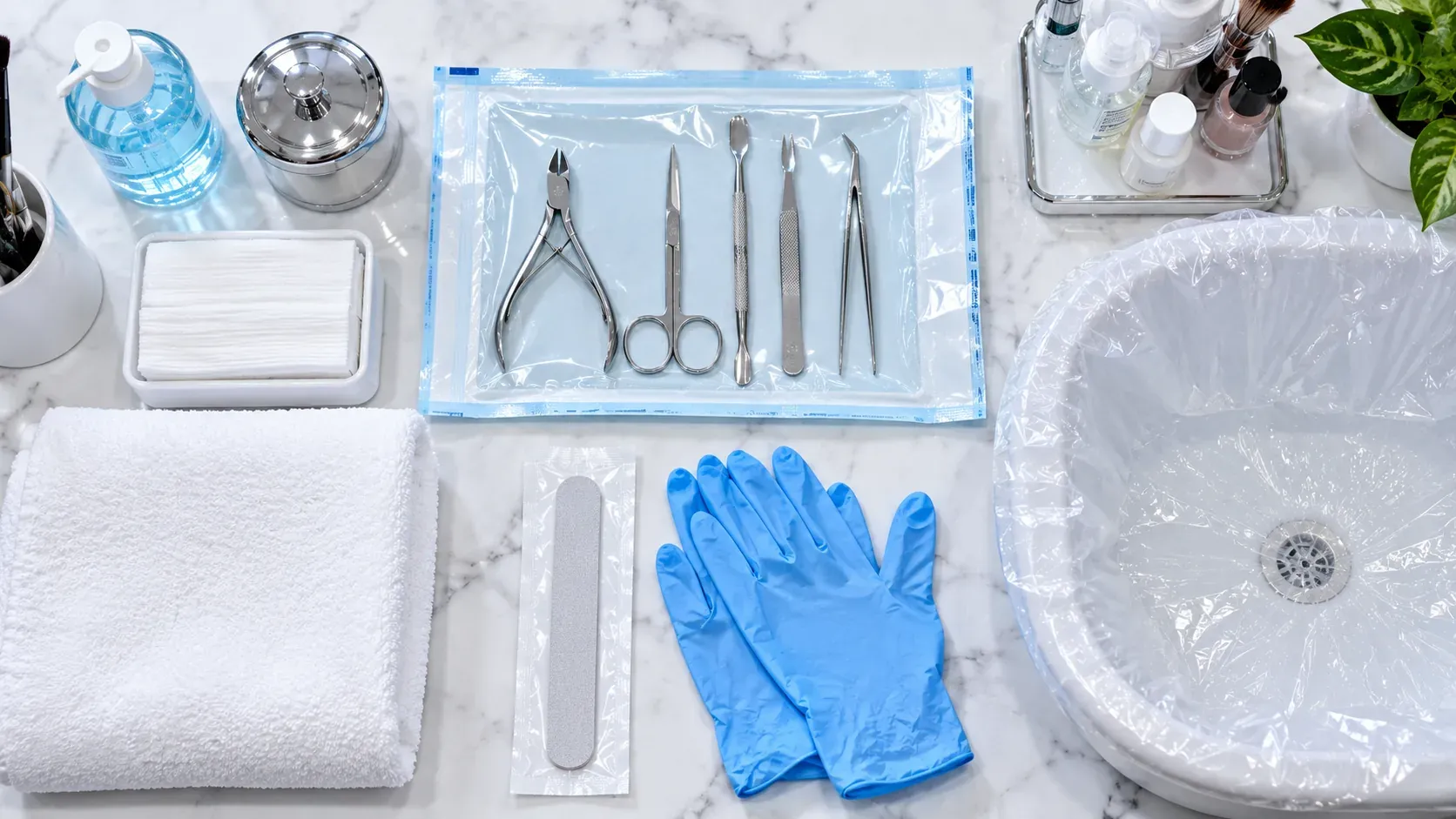
- Ask whether tools are sterilised between clients, and how (autoclave sterilisation is the gold standard, offering hospital-grade disinfection)
- Individually sealed, single-use tool packets are an excellent sign if offered
- Tools stored in a UV sanitiser cabinet between uses is a reasonable, though less thorough, alternative to autoclaving
- Be wary if tools are simply wiped with a tissue or alcohol spray and reused immediately without a proper sterilisation cycle
2. Foot Spa and Basin Cleanliness
For pedicures specifically, the foot spa basin deserves extra scrutiny, since standing water and jet systems can harbour bacteria if not properly cleaned.
- Ask if the basin is disinfected and rinsed between every client, not just at the end of the day
- Salons using disposable plastic liners inside the basin offer an added layer of protection, since the liner itself is discarded after each use
- Jet-based foot spas (with visible water jets) require more thorough internal cleaning than simple basin designs, since residue can build up inside the jet mechanism over time, so ask specifically how these are maintained
3. Nail Files and Buffers
Unlike metal tools, nail files and buffer blocks are porous and can't be fully sterilised even with autoclaving, since they absorb debris and moisture into their surface.
- Reputable salons use single-use disposable files and buffers per client, or maintain a personal, labelled file for repeat clients
- If a salon reuses the same file across multiple clients without a clear single-use or personal-file system, that's a legitimate hygiene concern worth asking about directly
4. General Salon Cleanliness
- Workstations should look wiped down and organised between clients
- Used tools should be visibly separated from clean, ready-to-use tools, not mixed in the same tray
- Towels should be fresh, not visibly reused without washing between clients
- Staff should ideally wash or sanitise hands before starting your service
5. Product and Polish Hygiene
- Gel and polish bottle openings shouldn't be visibly dirty or crusted, which can indicate infrequent cleaning
- Nail polish remover and acetone should be dispensed rather than double-dipping cotton pads back into a shared container repeatedly
- Cuticle oil and creams applied with clean applicators or squeezed from a bottle, rather than scooped with fingers from a shared tub, reduces cross-contamination risk
Red Flags to Walk Away From
| Red Flag | Why It Matters |
|---|---|
| Visible rust on metal tools | Indicates poor maintenance and inadequate sterilisation |
| Tools simply wiped, not soaked or sterilised | Wiping alone doesn't kill bacteria, fungi or viruses effectively |
| Reused foot spa water between clients without draining | Direct cross-contamination risk |
| Strong, overwhelming chemical odour with poor ventilation | Suggests inadequate air circulation, which matters for both hygiene and health |
| Staff not washing hands between clients | Basic hygiene lapse that increases infection risk |
| Cuts or bleeding not treated with an antiseptic | A hygiene-conscious salon should have a basic first-aid response ready |
Questions You Can Ask Without Feeling Awkward
Most legitimate, hygiene-conscious salons are happy to answer these, and a good salon will often volunteer this information without being asked:
- "How do you sterilise your metal tools between clients?"
- "Is the foot spa basin cleaned after every client, or just at the end of the day?"
- "Do you use disposable files, or how do you manage file hygiene?"
- "What happens if I have a small cut or nick during the service?"
If a salon seems irritated or evasive about these questions, that itself is useful information.
If You Have a Cut, Wound, or Skin Condition
If you have any open cuts, active fungal infections, ingrown toenails, or skin conditions like eczema on your hands or feet, mention this before your service. A responsible technician will adjust the treatment, sometimes avoiding cuticle trimming or certain exfoliation steps in the affected area, rather than proceeding as normal, since these conditions increase infection risk during nail services.
Aftercare That Supports Hygiene Too
Hygiene doesn't stop once you leave the salon.
- Avoid touching your freshly serviced nails to your face or eyes immediately after, particularly if cuticle work was involved
- Apply cuticle oil regularly at home to keep the skin barrier around your nails healthy and less prone to small cracks where bacteria could enter
- If you notice redness, swelling, warmth, or pain around a nail in the days following a service, don't dismiss it, seek medical advice, since these can be early signs of infection
Why This Matters More If You Get Manicures Regularly
If you visit the salon frequently, whether for gel maintenance, regular manicures, or combined hair and nail visits, cumulative exposure to any hygiene lapses compounds over time. It's worth being slightly more selective and consistent about which salon you trust with regular visits, rather than switching between different, unverified locations purely based on convenience or price.
Frequently Asked Questions
Is it safe to get a pedicure if I have a small cut on my foot?
It's best to inform your technician beforehand. Depending on the location and size of the cut, they may need to avoid that area or, for larger wounds, recommend waiting until it has healed.
How can I tell if a salon actually sterilises tools or is just saying so?
Look for visible sterilisation equipment like an autoclave or UV cabinet, or ask to see how tools are processed. Salons confident in their hygiene practices are usually transparent about showing this.
Are disposable tools always safer than reusable ones?
Disposable, single-use tools eliminate cross-contamination risk entirely, but properly autoclave-sterilised reusable metal tools are also considered safe and are standard practice in reputable salons.
Should I bring my own nail tools?
Some people prefer this for extra peace of mind, particularly frequent visitors, and most professional salons are accommodating if you'd like to bring your own file or tools.
Final Thoughts
A great manicure or pedicure should never come at the cost of your skin and nail health. Taking a few minutes to check sterilisation practices, foot spa cleanliness, and general salon hygiene before booking helps you enjoy the experience with genuine confidence, not just crossed fingers. When in doubt, ask direct questions, reputable salons will always be glad to answer them.